Intelligence that brings your energy under control
Energy is no longer just about supply and consumption. It is about timing, coordination, and decision-making. As energy systems
become more distributed and complex, organizations need more than meters and dashboards—they need intelligence.
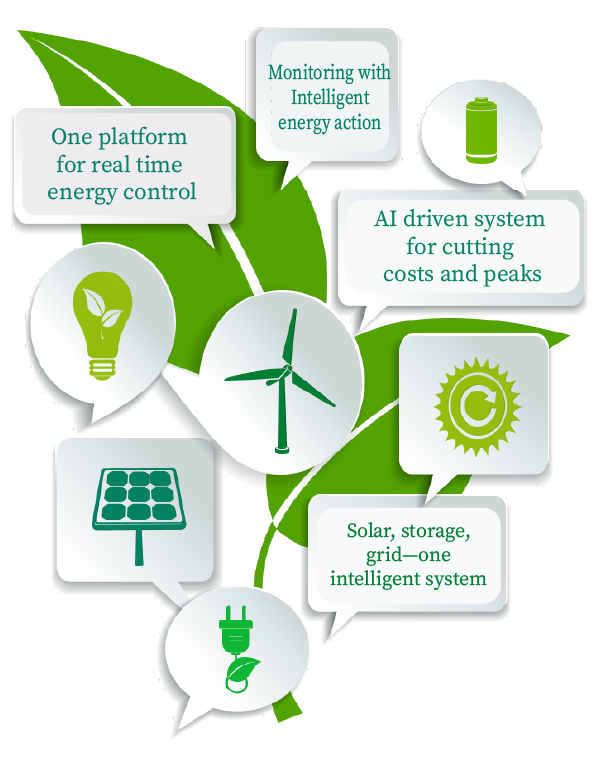
Our IoT-based Energy Management System (EMS) connects all your energy assets into a single, intelligent platform. It delivers real-time
visibility, predictive analytics, and automated control, helping organizations reduce costs, improve reliability, and make confident energy decisions every day.
The foundation of better energy decisions is visibility.
The EMS provides a live, intuitive dashboard that shows how energy is being generated, stored, and consumed across your facilities.
Whether you manage one site or an entire portfolio, everything is visible in one place—clearly and in real time.
This Includes:
- Centralized monitoring of all energy assets
- Custom performance indicators aligned with cost, efficiency, or sustainability goals
- Portfolio-level views for multi-site operations
Instead of delayed reports or fragmented systems, decision-makers get a single source of truth.
From Data to Decisions with AI-Driven Intelligence
Our EMS uses AI-based analytics to learn how your organization consumes energy. By analyzing historical and live data, the system forecasts
demand and automatically adjusts energy usage to avoid unnecessary cost and stress on the system.
In practice, this means:
- Predicting energy demand before it peaks
- Automatically shifting loads to optimal time windows
- Reducing peak demand charges without disrupting operations
One Coordinated System for Solar, Storage, and the Grid
When generation, storage, and consumption operate in isolation, efficiency is lost. The EMS integrates seamlessly with solar inverters and Battery Energy
Storage Systems (BESS), managing them as parts of one coordinated energy ecosystem. Renewable energy is prioritized when available, storage is used intelligently,
and grid interaction is optimized in real time.
In practice, this means:
- Smarter charging and discharging strategies
- Higher utilization of renewable energy
- Improved grid stability and asset longevity
Stay Informed Without Being Overwhelmed
Energy systems generate vast amounts of data—but only the right information matters. The EMS converts complex data into meaningful insights through automated
reporting and real-time alerts. Reports are generated based on your operational and regulatory needs, while alerts notify teams the moment something deviates from expected behavior.
This includes:
- Scheduled performance and compliance reports
- Instant alerts for faults, anomalies, or threshold breaches
- Faster response times and reduced downtime
Energy Management That Moves with You
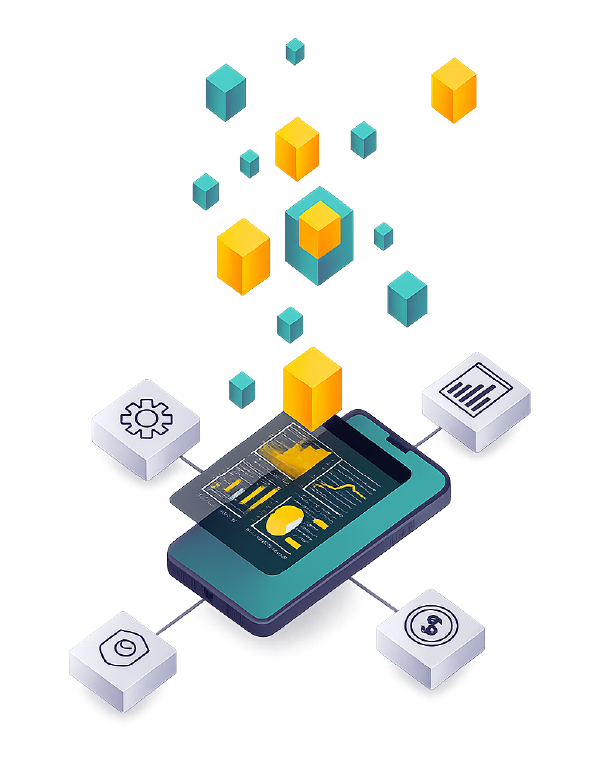
Energy decisions don’t always happen in control rooms. With dedicated mobile applications for iOS and Android, users can monitor and manage energy systems remotely.
Managers stay connected, and field teams gain practical tools that simplify on-site work.
The mobile experience supports:
- Live system status and notifications
- Remote control of selected assets
- Faster troubleshooting for field technicians
Designed for Real-World Energy Challenges
For government buildings, it enables centralized control, benchmarking, and automated management of
lighting, HVAC, and equipment—helping reduce public energy expenditure.
In industrial and manufacturing facilities, it delivers machine-level visibility and energy-aware
production scheduling, lowering cost per unit without affecting output.
For utilities, the platform supports distributed energy resource management, voltage and frequency regulation, and improved outage responses.
In renewable-heavy systems, it enables accurate forecasting, grid stability, and advanced operations such as Virtual Power Plants (VPPs).
Scalable, Secure, and Future-Ready
The EMS is vendor-agnostic and designed to scale—from a single facility to national infrastructure. Built on enterprise-grade architecture, it
ensures security, reliability, and long-term adaptability as energy systems evolve. This is not just a monitoring platform. It is a decision-making system for modern energy ecosystems.